 Viral gastroenteritis is an infection in intestines that is caused by several different viruses. Being highly transmittable, viral gastroenteritis is the second most common illness in the United States. Each year millions of cases of diarrhea are reported.
Although most people recover without any complications, however, viral gastroenteritis can be serious when people cannot drink enough to replenish the fluids lost through vomiting and diarrhea especially infants, young children, the elderly, and people with weak immune systems.
Symptoms and Diagnosis
The major symptoms of viral gastroenteritis are watery vomiting and diarrhea. Other major symptoms are headache, fever, chills, and abdominal pain. Symptoms usually appear within 4 to 48 hours after activation of virus. These symptoms lasts for 1 to 2 days, though symptoms can last as long as 10 days.
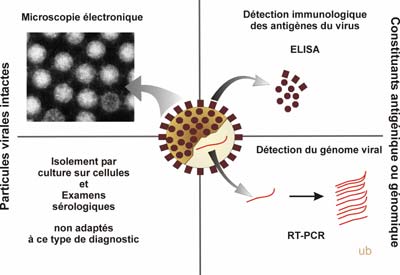
If you experience theses symptoms you may want to see your doctor. Doctors generally diagnose viral gastroenteritis based on the symptoms + physical examination. Doctor may ask for test of your stool for rotavirus. No routine tests are currently available for the other types of viruses.
Causes
The viruses that cause viral gastroenteritis damage the cells in the lining of the small intestine. As a result, fluids leak from the cells into the intestine and produce watery diarrhea.
There are four types of viruses cause most viral gastroenteritis:
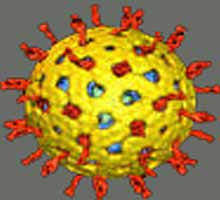 Rotavirus is the leading cause among children 3 to 15 months old and the most common cause of diarrhea in children under the age of 5 years. Rotavirus can also infect adults who are in close contact with infected children, but the symptoms in adults are milder. In the United States, rotavirus infections are most common from November to April.
Adenovirus occurs mainly in children under the age of 2 years. Of the 49 types of adenoviruses, one strain affects the gastrointestinal tract causing vomiting and diarrhea.
 Caliciviruses cause infection in people of all ages. This family of viruses is divided into 4 types, the noroviruses being the most common and most responsible for infecting people. The noroviruses are usually responsible for epidemics of viral gastroenteritis and occur more frequently from October to April.
 Astrovirus also infects primarily infants, young children, and the elderly. This virus is most active during the winter months.
Viral gastroenteritis is often mistakenly called “stomach flu,” but it is not caused by the influenza virus and it does not infect the stomach. Also, viral gastroenteritis is not caused by bacteria or parasites. For information about bacterial infections, please see the Bacteria and Foodborne Illness fact sheet from the National Institute of Diabetes and Digestive and Kidney Diseases (NIDDK).
Transmission
Viral gastroenteritis is highly contagious in poor hygienic conditions. People can infect with viruses through close contact by sharing their surroundings, food, drink, or eating utensils, or by eating food or drinking beverages that are contaminated with the virus. Door knobs are one of major source of spreading viruses and bacteria. Unwashed hands are a major source of transmission.
Noroviruses in particular, are typically spread by contact with stool or vomit of infected people and through contaminated water or food especially oysters from contaminated waters. Even after recovery, people may still be contagious, since the virus can be found in their stool for up to 2 weeks.
Treatment
Most cases of viral gastroenteritis resolve over time without any specific treatment. Antibiotics are not effective against viral infections. Your body needs fluids to function. Dehydration is the loss of fluids from the body. Dehydration can be caused by diarrhea, vomiting, excessive urination, excessive sweating, or by not drinking enough fluids because of nausea, difficulty swallowing, or loss of appetite.
In viral gastroenteritis, the combination of diarrhea and vomiting can cause dehydration. The symptoms of dehydration are
- excessive thirst
- dizziness or lightheadedness
- decreased tears
- dry mouth
- little or no urine or dark yellow urine
- severe weakness or lethargy
Children present special concerns. Because of their smaller body size, infants and children are at greater risk of dehydration from diarrhea and vomiting. Oral rehydration solutions such as Pedialyte can replace lost fluids, minerals, and salts.
Give infants and children oral rehydration solutions to replace fluids and lost electrolytes.
Gradually reintroduce food, starting with bland, easy-to-digest food, like toast, broth, apples, bananas, and rice.
Prevention
Prevention is the best way to avoid viral gastroenteritis by following the tips listed below. No vaccine is available for viral gastroenteritis with the exception of a newly released rotavirus vaccine called Rotateq. Otherwise, you can avoid infection by washing your hands thoroughly for 20 seconds after using the bathroom or changing diapers washing your hands thoroughly for 20 seconds before eating disinfecting contaminated surfaces such as counter tops and baby changing stations not eating or drinking foods or liquids that might be contaminated.
Things to remember:
For further information contact "The National Institute of Diabetes and Digestive and Kidney Diseases (NIDDK), through its Division of Digestive Diseases
- The main symptoms are watery diarrhea and vomiting.
- Viral gastroenteritis has no specific treatment; antibiotics are not effective against viruses. Treatment focuses on reducing the symptoms and preventing dehydration.
- The symptoms of dehydration are excessive thirst, dry mouth, dark yellow urine or little or no urine, decreased tears, severe weakness or lethargy, and dizziness or lightheadedness.
- Infants, young children, the elderly, and people with weak immune systems have a higher risk of developing dehydration due to vomiting and diarrhea.
- People with viral gastroenteritis should rest, drink clear liquids, and eat easy-to-digest foods.
- For infants and young children, oral rehydration solutions can replace lost fluids, minerals, and salts.
- Avoid viral gastroenteritis by washing hands thoroughly after using the bathroom or changing diapers, disinfecting contaminated surfaces, and avoiding foods or liquids that might be contaminated.
