Although no specific medicines exists for viral gastro, but Antibiotics have somewhat effective. But problem of antibiotics is that they do not kill viruses, they can only kill bacteria. Thus only useful in such cases where bacteria is the cause of illness.
 Make sure that you give antibiotics to patient only in case of bacterial infection (instead of viral infection like rotavirus. In case of viral infection, antibiotics may have a number of side effects including developing resistance to antibiotics for antibiotics.
Medicines for vomiting and diarrhea have not much established benefits. They may even delay the healing process and prolong gastro-enteritis.
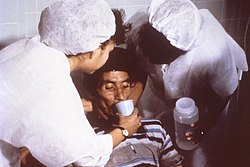
The most vital treatment for children in viral gastro is to make sure they continuously replenish sufficient fluids wasted through vomiting and diarrhea; because dehydration may develop serious even require hospital treatment. Immediately contact your health care provider, if any signs of dehydration appear. Use the following fluids and foods, if no signs of dehydration appear. Continuously watch for signs of dehydration. The aim is to give at least as much fluid as a normal child have.
Fluids
 Replenishing the lost fluids through vomiting and diarrhea is the main treatment for gastro or any such disease that cause flush of fluids from the body. Do not stop oral re hydration even if the vomiting and diarrhea does not stop. Re hydration helps to prevent dehydration. ORS like Gastrolyte, Repalyte or Hydrolyte, available from your pharmacy, are the best choice. Even you can prepare an ORS at home with the following formula:-
- One teaspoon of salt
- One eight teaspoons of sugar
- One liter 5 full cups (each cup about 200 ml.) of water. Water must be clean, filtered for drinking or boiled and then cooled.
If your child shows some problems in drinking ORS, some other safe substitutes are as follows:-
- Diluted cordial 10 ml + 150 ml water
- Diluted soft drink (e.g. lemonade) 50 ml + 150 ml water
- Diluted fruit juice 50 ml + 150 ml water
Caution:
- Undiluted drinks may complicate and boost diarrhea
- Low-calorie drinks are not appropriate
Food
- Try to give normal feed to child until the diarrhea has not settled.
- Breastfeeding should be maintained, if possible, with additional fluids like ORS.
- If reintroduction of a normal is not possible within two days, talk to a health care provider.
Diarrhea usually diminishes quite rapidly (five to eight days) and viral diarrhea may take a week more. The main treatment is to replace fluids lost through vomiting and diarrhea. Talk to your doctor or child health nurse if you are at all concerned about your child. Dehydration due to loss of fluids through vomiting and diarrhea can be dangerous and some children may need to be hospitalized for careful treatment.